
2026 Signage Trends for Local Businesses
As we step into 2026, local business owners in Chicagoland have a fresh opportunity to make their storefronts stand out and get noticed by more customers. From materials and lighting to readability, ADA compliance, and energy efficiency, business signage is evolving faster than ever. But it’s not just about aesthetic, visibility matters, especially in Chicago’s ever-changing weather and busy traffic patterns. Understanding the latest trends can help you plan smarter, invest wisely, and ensure your signage not only attracts attention but also performs reliably year-round.
Let’s explore the key sign trends shaping local businesses in 2026.
Modern Materials for Durability & Style
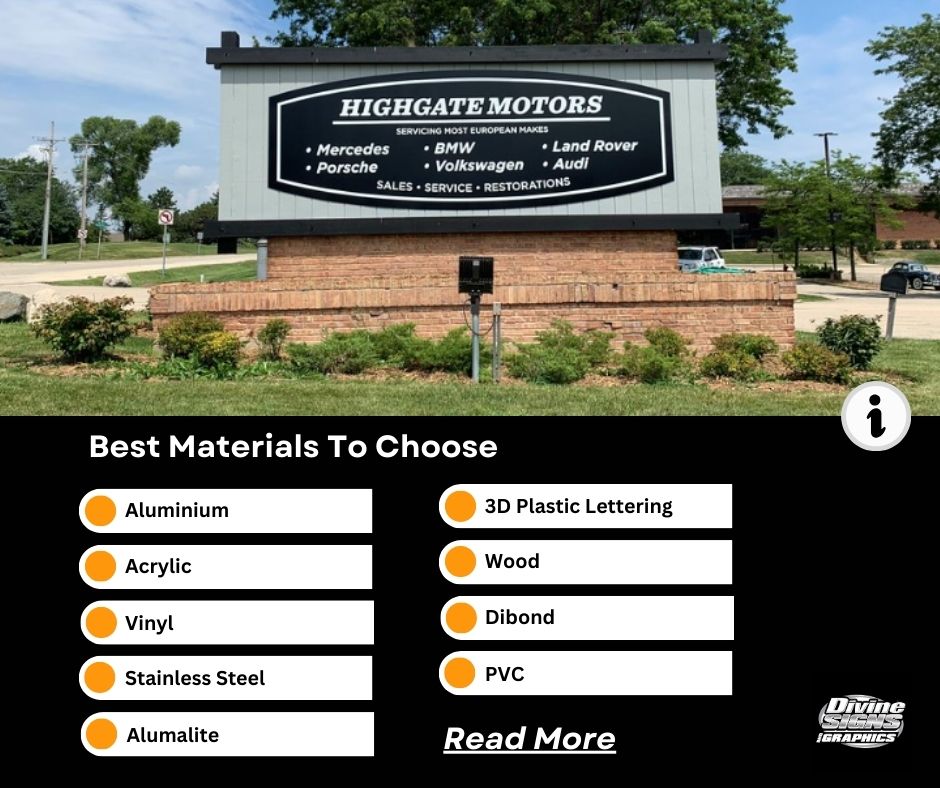
Choosing the right materials for your business signage is more than just a design decision, it’s a long-term investment in durability and visibility. In 2026, local businesses are increasingly turning to materials like aluminum composites, acrylics, and weather-resistant vinyl, which combine style with resilience.
• Aluminum composites are lightweight, rust-resistant, and ideal for both indoor and outdoor signs. They hold up exceptionally well against Chicago’s snow, ice, and fluctuating temperatures, making them a top choice for long-lasting exterior signage.
• Acrylics offer a sleek, modern look with high clarity, perfect for illuminated signs and logos. While slightly more delicate than aluminum, acrylics can endure harsh sunlight without yellowing when treated properly.
• Weather-resistant vinyl is a flexible, cost-effective option for banners, window graphics, and temporary signage, designed to withstand rain, wind, and UV exposure.
When choosing materials, consider a balance of aesthetics, cost, and longevity. For instance, aluminum composites may have a higher upfront cost but can last decades with minimal maintenance, while vinyl offers affordability and easy updates for seasonal promotions. Testing samples in your storefront environment, especially under snow or direct sunlight, can help ensure your signage remains both attractive and durable year-round.
Investing in the right material not only keeps your sign looking fresh but also ensures your business stays visible and professional, no matter what Chicago’s weather throws your way.
Energy-Efficient & Smart Lighting
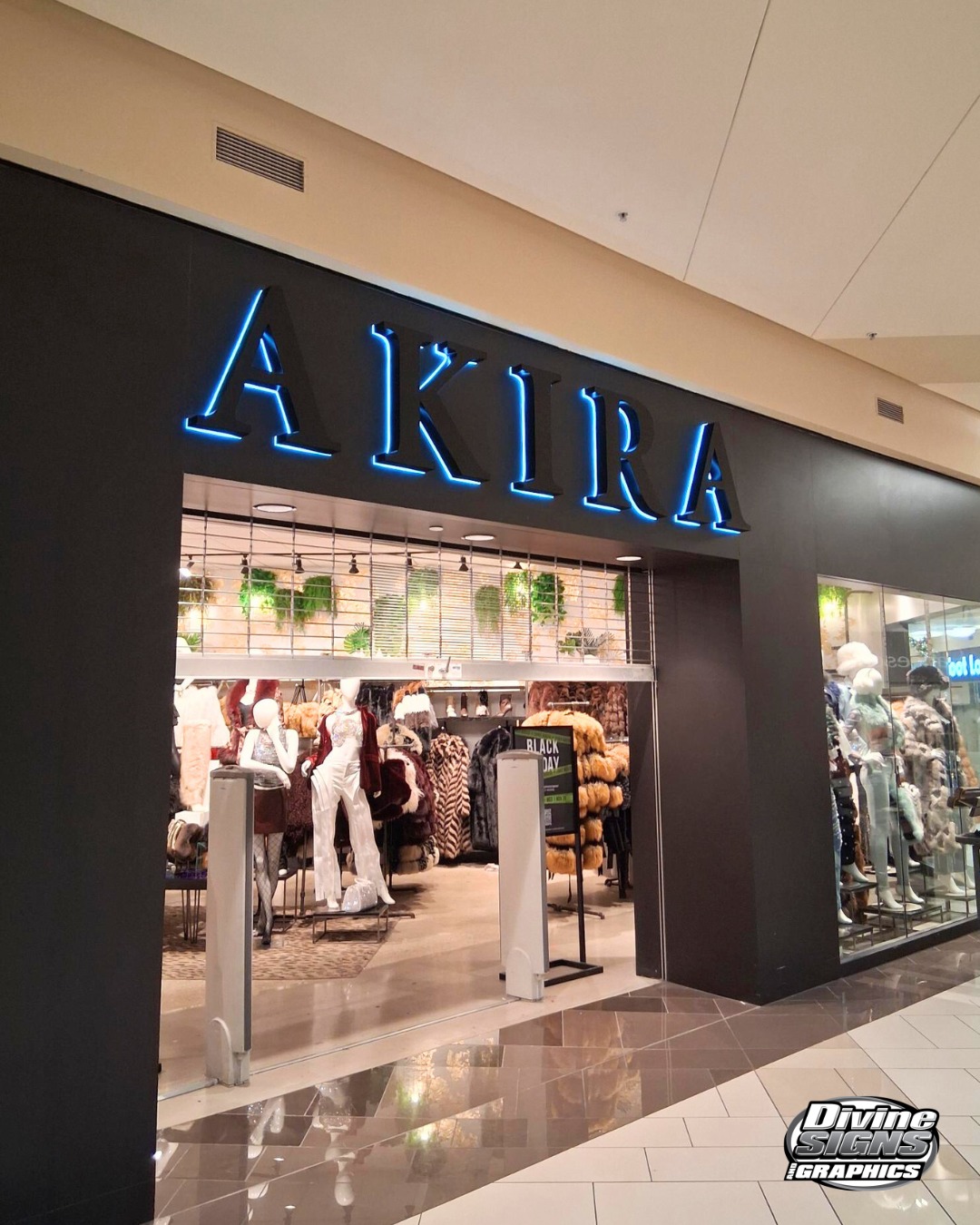
Lighting isn’t just about making your signage shine, it’s about making sure your business gets noticed, day or night. In 2026, energy-efficient solutions like LED and solar-powered lights are becoming the standard for local businesses, offering brighter visibility without inflating utility bills.
LED lighting is highly durable, consumes less power, and maintains consistent brightness even during Chicago’s long winter nights. It’s ideal for channel letters, backlit signs, and outdoor displays, ensuring your business stands out in snow, rain, or fog. Solar-powered and adaptive lighting options are also gaining traction, automatically adjusting brightness based on daylight, weather conditions, or pedestrian traffic, helping to reduce energy waste while ensuring your sign is eye-catching.
For Chicagoland businesses, visibility can be a challenge with heavy traffic, seasonal darkness, and frequent storms. Smart lighting not only improves recognition but also enhances safety, guiding customers to your location in low-light conditions.
Tips for choosing the right lighting:
• Match brightness and color temperature to your brand for maximum readability.
• Prioritize energy-efficient LEDs to reduce costs and maintenance.
• Consider motion sensors or timers to optimize visibility without wasting energy.
Investing in smart, energy-efficient lighting ensures your signage isn’t just stylish, it’s functional, sustainable, and effective in attracting customers year-round.
Readability & Typography Optimization
No matter how stylish or durable your sign is, it won’t do its job if customers can’t read it quickly. In 2026, readability remains a top priority for local businesses, especially in busy areas like Chicagoland where traffic, snow, and rain can make signage harder to see.
Typography choices, including font style, size, and spacing, play a huge role in how quickly people can process your message. Clean, sans-serif fonts with high contrast between text and background are easier to read from a distance, while bold lettering ensures visibility even in low-light or snowy conditions. Avoid overly intricate fonts that may look stylish up close but blur together when viewed from the street.
Other readability tips for Chicago businesses:
• Test signage at different angles and distances to mimic pedestrian and driver perspectives.
• Use contrasting colors for maximum legibility in all seasons. For example, dark lettering on a light background is easier to read in snow, while light lettering on a dark background stands out at night.
• Keep messages concise, fewer words mean faster recognition and better retention.

ADA & Accessibility Compliance
In 2026, accessibility isn’t just a legal requirement, it’s a key part of creating an inclusive and welcoming experience for all customers. Ensuring your signage meets ADA guidelines shows that your business values accessibility while avoiding potential fines.
Updated ADA signage trends focus on tactile elements, braille, and proper placement. Signs must have clear, legible text at the right height, with non-glare surfaces that remain readable under Chicago’s bright sun or snowy glare. Even small details like contrasting colors and simple fonts can make a big difference for people with visual impairments.
Tips for integrating ADA compliance without compromising style:
• Use raised lettering and braille on key directional or identification signs.
• Maintain consistent design elements such as colors, shapes, and branding across accessible and non-accessible signage.
• Test your signs in real-world conditions: low light, snow-covered sidewalks, and indoor glare.
By prioritizing accessibility, your business not only follows the law but also creates a more welcoming environment for every customer. Well-designed, compliant signage enhances your professional image while making your location easier to navigate year-round.
Smart & Sustainable Signage
In 2026, signage isn’t just about visibility, it’s also about being smart, eco-friendly, and interactive. More local businesses are choosing sustainable materials and integrating technology to reduce environmental impact while engaging customers in new ways.
Eco-friendly options include recyclable metals, low-VOC paints, and durable vinyl alternatives that minimize waste. These materials are designed to withstand Chicago’s snow, ice, and humidity without frequent replacement, making them a smart long-term investment.
Smart signage trends are also on the rise. Digital displays, app-connected signs, and QR code integrations allow businesses to share promotions, menus, or event information instantly. These interactive features let you update content without printing new signs, saving money and reducing paper waste. Motion sensors and adaptive brightness features can also optimize visibility while conserving energy, particularly during long winter nights or overcast days.
Tips for local businesses:
• Consider hybrid signage: a combination of eco-friendly physical materials and digital elements for flexibility.
• Use interactive features strategically to enhance customer engagement, not overwhelm.
• Plan maintenance for digital and smart signs to ensure they remain readable through Chicago weather extremes.
Visibility Considerations for Chicagoland
Even the most stylish and modern sign won’t be effective if customers can’t see it. In Chicago and the surrounding suburbs, local business owners face unique visibility challenges, from snow-covered streets and heavy rain to glare from winter sun and congested traffic patterns.
Key visibility tips for Chicagoland businesses:
• Strategic placement: Position signs where they’re easily seen from main roads, sidewalks, and parking areas. Consider height, angle, and distance to maximize impact.
• Seasonal adjustments: In winter, snow and ice can obscure low-lying signs or make certain colors harder to read. Bright, high-contrast colors and elevated placement help maintain visibility.
• Traffic considerations: For businesses near busy intersections, prioritize large, bold fonts and illumination that captures attention quickly for drivers and pedestrians alike.
• Maintenance matters: Keep signage clean, free from snow or debris, and replace faded graphics promptly. Regular upkeep ensures your investment continues to perform year-round.
By planning with local weather and traffic conditions in mind, your signage can remain visible and effective throughout every Chicago season, helping customers find your business easily and safely.

Coordinated Branding Across Channels
In 2026, effective signage goes beyond the physical storefront, it’s part of a broader strategy to create a cohesive brand experience. Local businesses in Chicagoland are increasingly aligning their signs with digital marketing, social media, and online maps to boost recognition and build trust.
Why coordinated branding matters:
• Consistent colors, fonts, and logos across signs, social media posts, and websites reinforce your brand identity.
• Cohesion makes your business instantly recognizable, whether a customer is walking past your storefront or scrolling through Instagram.
• Integrated digital and physical signage, like QR codes, interactive screens, or social media callouts, can guide customers seamlessly from discovery to engagement.
Tips for local businesses:
• Match your signage design to your website and marketing materials to strengthen brand recognition.
• Update digital platforms when you update physical signage to maintain consistency.
• Use wayfinding signs and window graphics to create a visually unified experience that directs customers effortlessly.
Coordinated branding ensures your signage isn’t just visible, it’s memorable. By connecting your physical and digital presence, your business can stand out in a crowded market, increase customer loyalty, and make a lasting impression.
Plan Your 2026 Signage the Smart Way
Staying ahead in 2026 means more than choosing a stylish sign, it’s about durability, visibility, accessibility, energy efficiency, and cohesive branding. By understanding the latest trends in materials, lighting, readability, ADA compliance, sustainability, and local visibility, Schaumburg-area businesses can make smarter, long-lasting signage decisions that attract customers year-round.
Plan your 2026 signage the smart way. Divine Signs & Graphics helps local businesses design, get a permit (when needed), and install signs that not only look professional but are built to last. From concept to installation, we ensure your business signage meets modern standards and performs in all conditions.
Call Divine Signs & Graphics at (847) 534-9220 to schedule a quick consultation and take the first step toward signage that makes your business stand out in 2026.

2026 Signage Trends FAQs
What are the biggest business signage trends for 2026?
In 2026, signage trends focus on a mix of style, functionality, and sustainability. Popular trends include durable modern materials like aluminum composites and acrylics, energy-efficient LED and solar-powered lighting, highly readable typography, ADA-compliant accessible signs, smart and interactive digital features, and cohesive branding across physical and digital channels. Businesses are also prioritizing visibility in all weather conditions, especially in areas like Chicagoland where snow, rain, and traffic impact sign performance.
Are LED signs still worth it for local businesses?
Absolutely. LED signs remain a top choice because they are energy-efficient, bright, and long-lasting. They perform well in all lighting conditions, from dark winter mornings to overcast summer days, helping your business stand out. Modern LEDs also offer flexibility with color, brightness, and programmable displays, making them a cost-effective and attention-grabbing investment for any local business.
What sign types work best for drive-by visibility in Schaumburg?
For businesses along busy streets or near intersections, large channel letters, monument signs, and pylon signs are highly effective for drive-by visibility. Key considerations include bold fonts, high-contrast colors, and proper illumination. Digital or LED signs can also help capture attention quickly, especially in areas with heavy traffic or during evening hours.
How long does it typically take to design and install a new sign?
The timeline can vary depending on the type of sign, permitting requirements, and complexity of the design. On average, small to medium signs can be designed, approved, and installed in 2–6 weeks, while larger or custom projects may take 8–12 weeks. Working with a local signage company can help streamline the process, especially if permits are required.
What’s the best way to update signage without replacing everything?
If you want to refresh your look without a full replacement, consider updating sign faces, vinyl graphics, or lighting components. Digital overlays, removable panels, or repainting can also modernize your signage while preserving the existing structure. This approach saves time and money while keeping your brand current and eye-catching.
Let Us Get Started with your next big idea...

