
How to Choose the Right Business Sign for Your Location
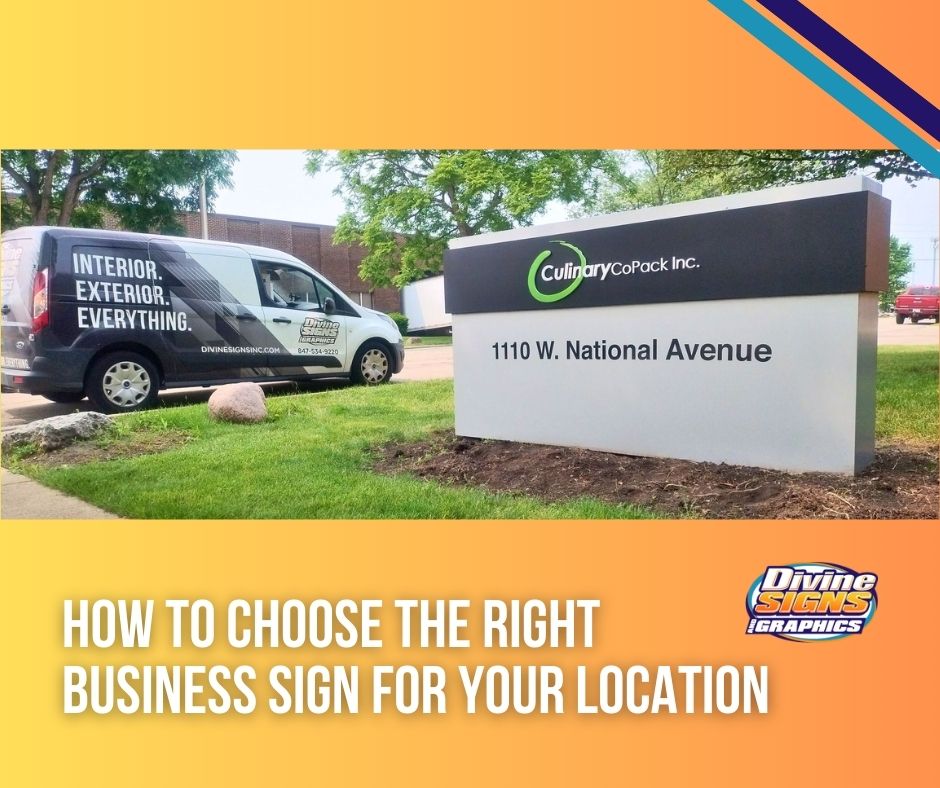
When it comes to attracting customers, your business sign is more than just a logo or a branding tool, it’s real-world navigation. A well-designed sign guides potential customers to your door, communicates your brand instantly, and ensures your business stands out in a crowded landscape. But choosing the right sign isn’t one-size-fits-all. Factors like road speed, sightlines, storefront distance, and property type, whether you’re in a bustling strip mall, a freestanding building, or an office park, all play a crucial role in how effectively your sign grabs attention.
In this guide, we’ll walk you through how to select the perfect sign for your location, so your business doesn’t just get noticed, it gets found.
Factors That Affect Sign Choice
Choosing the right sign starts with understanding how people will encounter your business in the real world. A beautiful design won’t do much good if drivers can’t read it in time or if pedestrians never notice it from the sidewalk. You should consider several environmental details such as traffic patterns and the type of property you occupy to help guide your decision.
Road Speed
The faster vehicles move, the less time people have to process information. On high-speed roads, signs need larger lettering, simpler messages, and strong contrast so they can be understood in just a few seconds. In slower, walkable areas, you can incorporate more detail because viewers have the time to take it in.
Sightlines
Obstructions like trees, parked cars, neighboring buildings, or elevation changes can block visibility. Your sign may need added height, illumination, or strategic placement to ensure it can be seen from key approaches. Always think about what your customer sees first as they travel toward your location.
Storefront Distance
How far your entrance sits from the road or parking area directly impacts readability. The greater the distance, the bigger and bolder your sign should be. Businesses set back from the street often benefit from monument or pylon signage that gives visitors confidence they’re in the right place before they turn in.
Property Type
Your setting influences both what’s allowed and what’s effective. A strip mall might emphasize coordinated storefront signage and wayfinding, while a freestanding building could take advantage of larger exterior or roadside options. Office parks often require clear directory or suite identification to help visitors navigate shared spaces.
By evaluating these factors early, you can choose a sign that works as hard as you do, attracting attention, guiding customers, and turning passersby into visitors.
Matching Signs to Property Type
Where your business is located has a major influence on which signage will deliver the best results. The goal is always the same, help people find you quickly and confidently, but the path to achieving that can look very different depending on the property.
Strip Malls & Shopping Centers
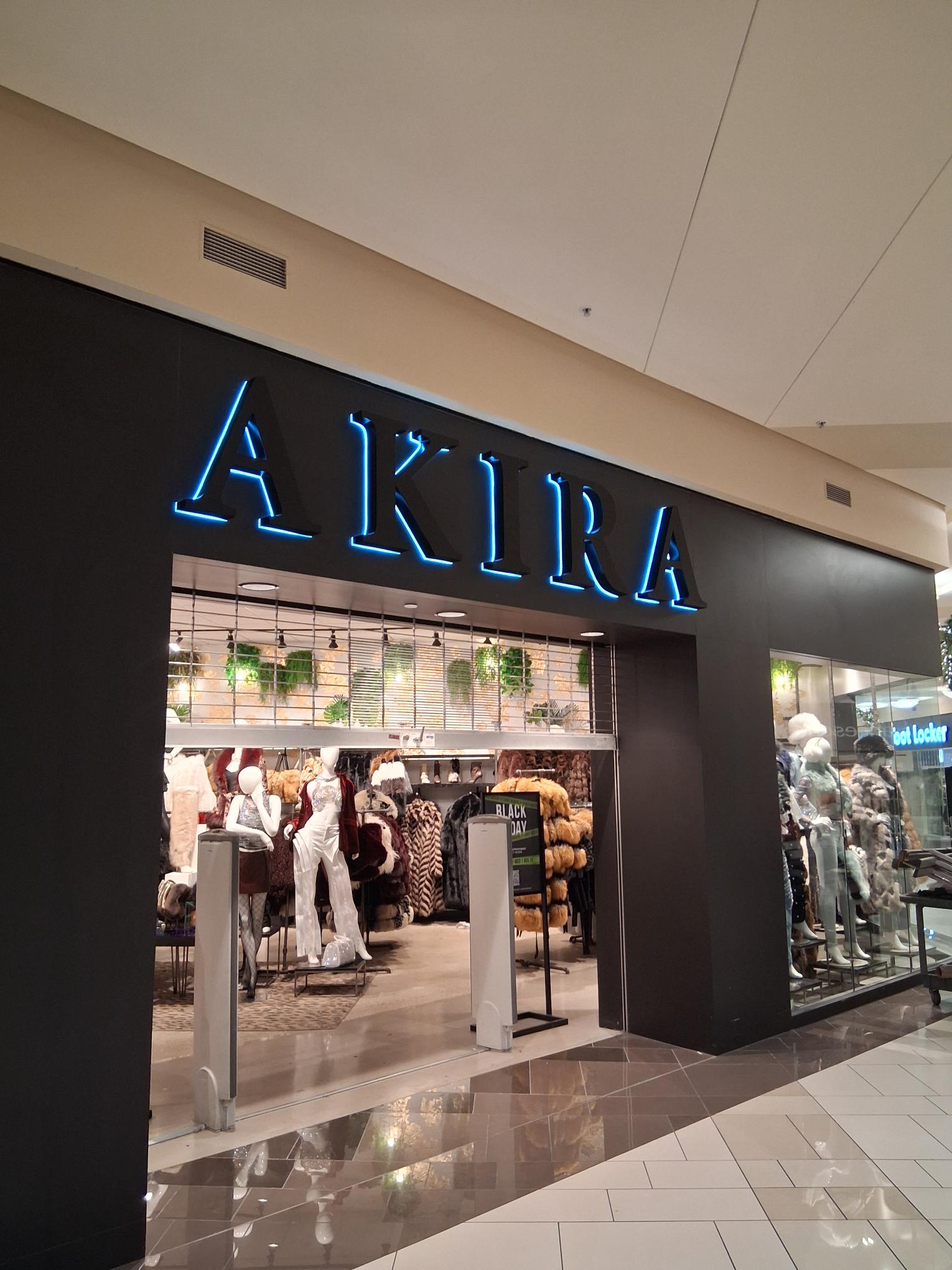
In multi-tenant retail settings, visibility and consistency matter. Storefront signs typically need to follow landlord or property management guidelines for size, lighting, and placement. Because customers often scan a row of businesses while driving or walking by, clean lettering, strong contrast, and recognizable branding are key. Window graphics can also reinforce your presence and help you stand out among neighbors.
Freestanding Buildings
If you occupy your own building, you usually have more freedom and more responsibility to capture attention from the road. Larger wall signs, monument signs near the entrance, or even pylon signs can help alert drivers early and guide them into your parking lot. Since there are fewer surrounding cues, your signage often serves as the primary landmark.
Office Parks & Professional Complexes
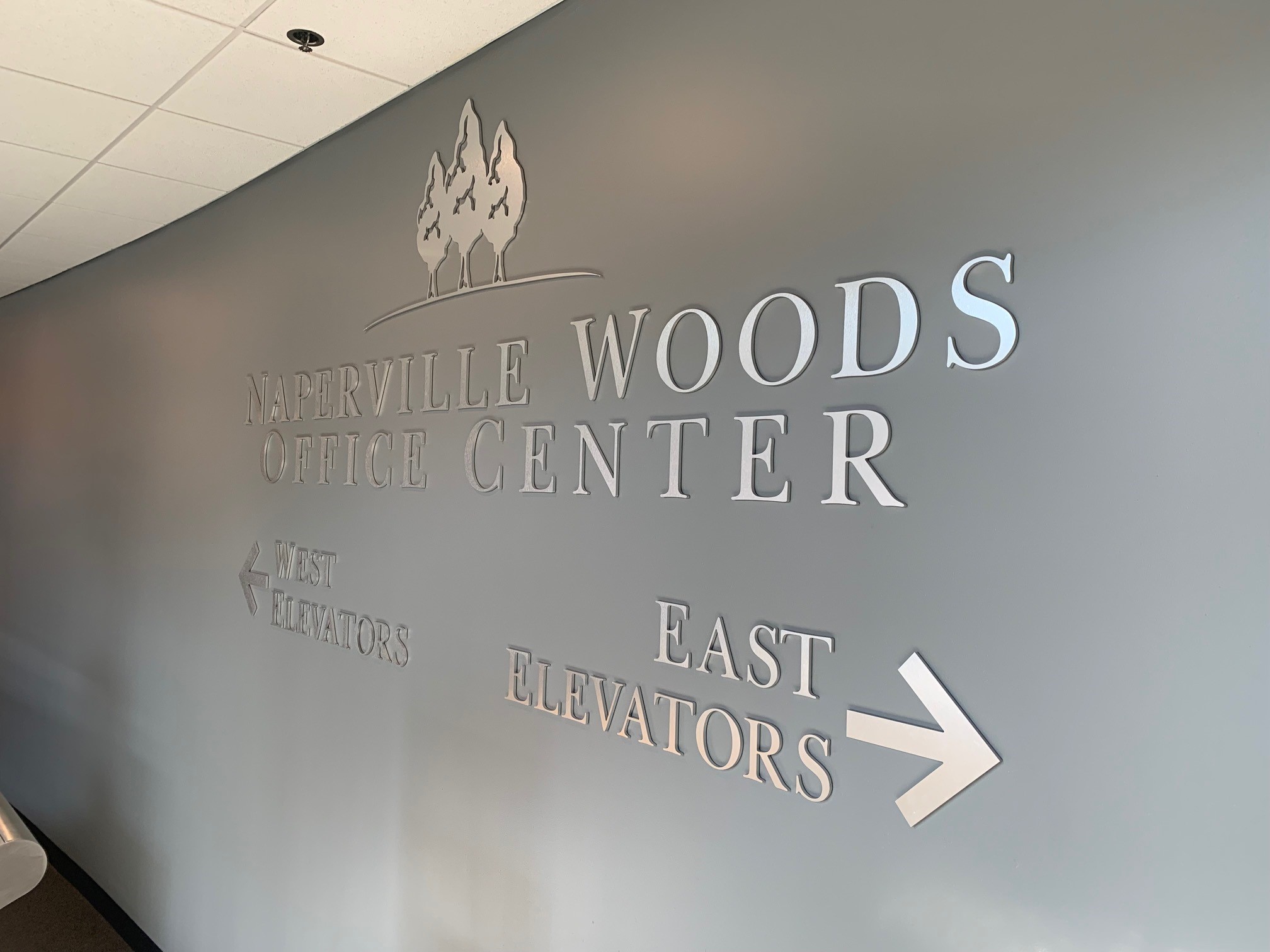
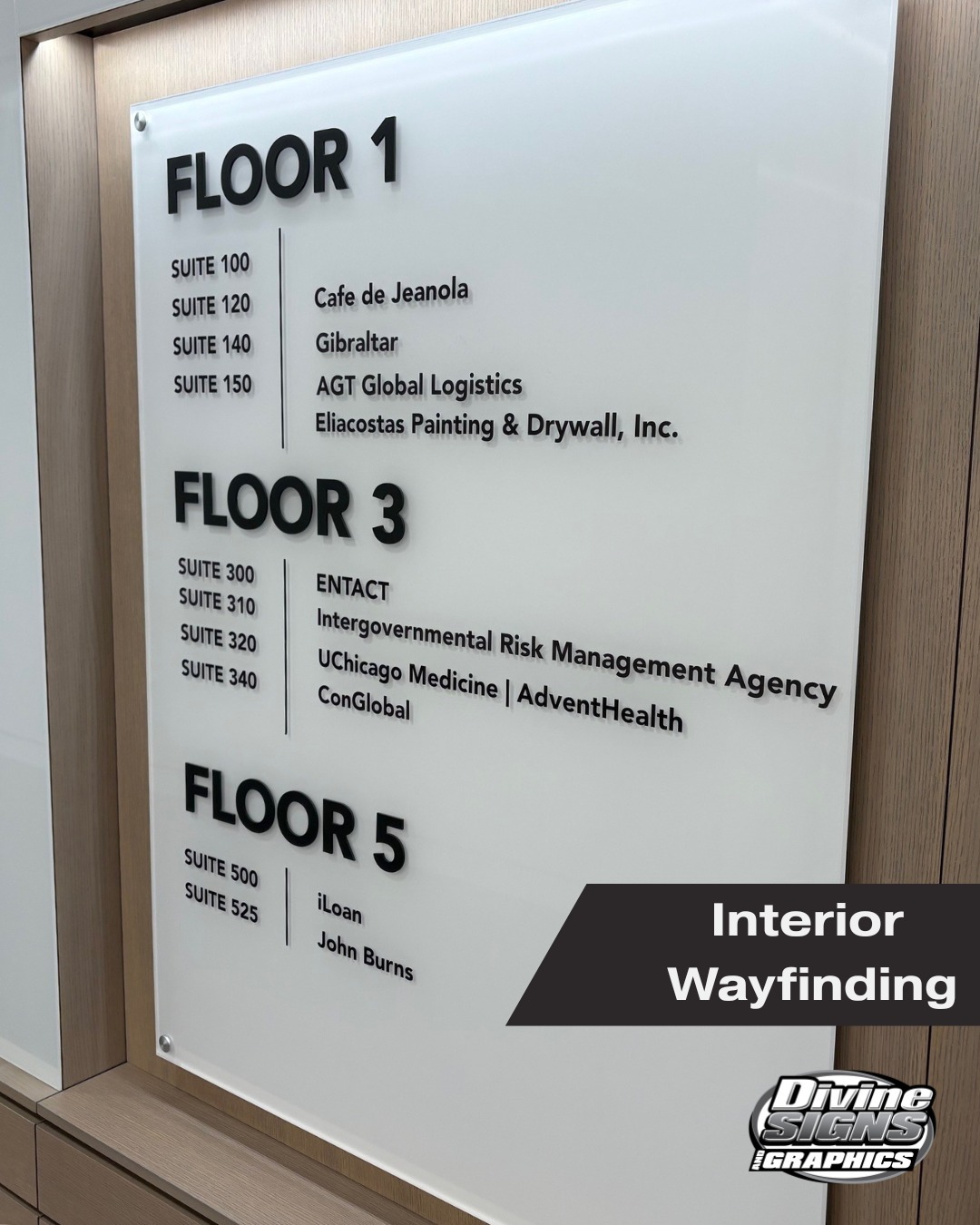
These environments can be tricky because multiple businesses share similar-looking buildings. Clear exterior identification is important, but wayfinding is just as critical. Directory signs, suite numbers, and entrance markers reduce confusion and create a smoother visitor experience. Professional, easy-to-read designs tend to work better than bold promotional styles.
Mixed-Use & Pedestrian Areas
Locations with heavy foot traffic benefit from signs placed at eye level. Blade signs that project outward, window lettering, and door graphics help people notice as they move along the sidewalk. In these areas, readability up close and strong branding take priority over massive scale.
When your sign aligns with the realities of your property type, it becomes a natural extension of the environment rather than competing with it. Done right, it reassures customers they’re in the right place before they even walk through the door.
Local Code Considerations
Before you choose a particular design, it’s essential to understand what your municipality and property owner will allow. Sign regulations are created to maintain safety, manage visual clutter, and preserve community aesthetics. Ignoring them can lead to expensive redesigns, delayed openings, or even fines.
Municipal Sign Ordinances
Most cities regulate elements such as maximum size, height, illumination, placement, and sometimes even colors or materials. There may be different rules for wall signs, window graphics, monument signs, or temporary banners. Permits and inspections are often required before installation, and approval timelines can affect your project schedule.
Landlord & Property Management Rules
If you lease space, your landlord or shopping center may have additional criteria beyond city requirements. These guidelines typically ensure visual consistency across tenants. They can dictate everything from letter style and lighting type to where a sign cabinet can be mounted.
Safety & Accessibility
Codes may also address visibility at driveways, pedestrian pathways, and intersections. Signs can’t obstruct traffic views or create hazards. In some cases, accessibility standards influence how wayfinding or suite identification must appear.
Historic or Special Districts
Properties in designated historic or themed areas often face stricter limitations. These districts may require specific materials, subdued lighting, or design review approvals to ensure signage fits the character of the neighborhood.
Understanding these rules early helps you design smarter, budget accurately, and avoid frustrating setbacks. A sign that complies from the start moves smoothly from concept to installation and gets to work attracting customers sooner.
Turn Your Sign Into a Landmark
The right sign does more than display your name, it helps customers navigate, builds confidence, and makes your location easy to recognize from the moment they approach. When your signage accounts for traffic speed, visibility, distance from the road, property layout, and local regulations, it becomes one of the hardest-working marketing tools you own.
Designing that kind of sign takes experience. From selecting the right size and materials to managing permits and professional installation, every detail matters if you want a result that stands out and lasts.
At Divine Signs and Graphics, we help businesses evaluate their location, recommend the most effective sign types, and handle the entire process from concept through installation. Whether you need storefront lettering, a monument sign, or a large roadside display, we create solutions that get your business noticed.
Ready to make your location impossible to miss? Contact Divine Signs and Graphics for professional outdoor business design and installation services that help your business stand out.
Choosing the Right Business Signs FAQs
What type of sign is best for a storefront in a shopping center?
In a multi-tenant retail environment, visibility and readability are everything. Most centers require wall-mounted channel letters or cabinet signs that match property guidelines. Clean fonts, strong contrast, and good lighting help customers quickly pick your business out from neighboring tenants. Window graphics can also reinforce branding and promote key services or specials.
What sign is best if my building sits far back from the road?
When your entrance isn’t immediately visible, drivers need earlier confirmation that they’re in the right place. Monument or pylon signs positioned near the roadway are often the most effective solution. They increase reaction time, make turning decisions easier, and act as a landmark customers remember.
How do I know what size sign I’m allowed to have?
Sign size is usually determined by local municipal codes and, if you lease your space, landlord requirements. Regulations often specify maximum square footage, height, illumination type, and placement. A professional sign company can review these rules, handle permitting, and design something impactful that stays compliant.
Should I choose an illuminated or non-illuminated sign?
It depends on your operating hours, location, and visibility challenges. Illuminated signs improve readability at night, during bad weather, and in shaded areas. Non-illuminated options can work well in bright pedestrian districts or where lighting is restricted, but they rely heavily on contrast and placement to remain effective.
Can Divine Signs help with design and installation?
Yes. Divine Signs and Graphics provides end-to-end service, including site evaluation, design recommendations, code compliance, fabrication, and professional installation. Working with an experienced team ensures your sign not only looks great but also performs the job it’s meant to do, guiding customers to your door.
Let Us Get Started with your next big idea...

