
Take Your Brand Everywhere with a Custom Trailer Wrap: Benefits, Design Ideas, and What to Know Before You Wrap
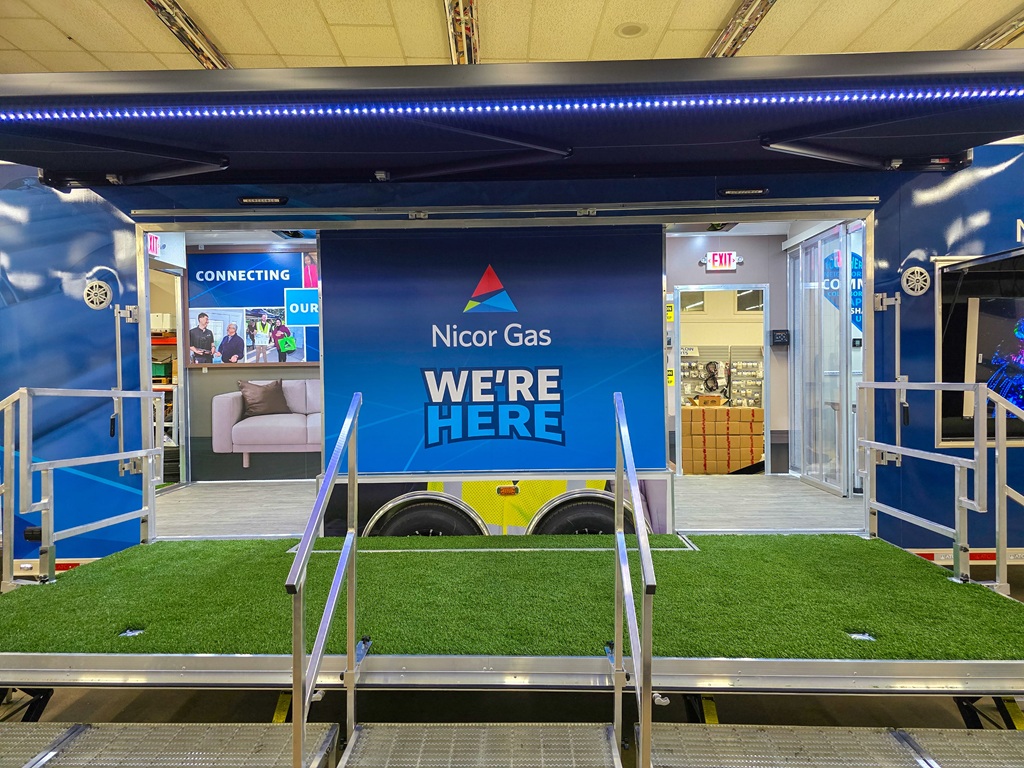
Every mile your trailer travels is a chance to put your business in front of new customers. Parked at a job site, rolling down I-90, or sitting outside a weekend event, a wrapped trailer works as advertising space you already own. The question for most business owners isn't whether trailer wraps work, it's what they cost, how long they last, and how to design one that gets noticed. This guide covers all of it.
Key Takeaways
• Trailer wraps turn utility and enclosed trailers into mobile advertising that promotes a business wherever they travel or park.
• Full wraps provide maximum visual impact, while partial wraps and vinyl lettering offer more budget-friendly branding options.
• Effective trailer wrap designs should clearly communicate the business name, services, phone number, and website within a few seconds.
• Professionally installed trailer wraps typically last five to seven years with quality vinyl, proper care, and suitable storage.
• Wrap pricing depends on trailer size, coverage, design complexity, surface condition, and installation requirements.
• High-quality wraps can protect factory paint from UV exposure, minor scratches, and everyday road wear.
• Professional design and installation help prevent bubbling, peeling edges, poor readability, and premature replacement.
• Trailer wraps are especially valuable for contractors, landscapers, service companies, movers, event businesses, schools, and nonprofits.
• Businesses traveling throughout Schaumburg and the Chicago suburbs can build local recognition with every mile.
• A quality trailer wrap provides long-term advertising value without ongoing media costs.
Why Trailer Wraps Are a Smart Investment for Businesses
A trailer wrap turns an ordinary utility or enclosed trailer into a mobile billboard that advertises your business 24 hours a day. Unlike paid ads that stop working the moment you stop paying, a wrap keeps promoting your company for years after a single upfront investment.
Consider what a wrapped trailer does for you. It builds local brand visibility every time you drive to a job, sit in traffic, or park in a customer's driveway. Neighbors see your name. Passing drivers see your phone number. And because a quality wrap lasts for years, the cost per impression drops far below what you'd pay for billboards, direct mail, or digital ads over the same period.
There's also the matter of professionalism. A cleanly wrapped trailer signals that your company is established and takes its image seriously. For contractors, service companies, and event businesses, that first impression can be the difference between a homeowner calling you or calling the next name on the list.
What Types of Businesses Benefit Most from Trailer Wraps?
Any business that hauls a trailer regularly can benefit from wrapping it, but some industries get more mileage out of the investment than others:
• Landscapers and lawn care companies: Your trailer sits in residential neighborhoods all day, exactly where your next customers live.
• Construction and roofing contractors: A wrapped trailer parked at a job site is a working referral, showing neighbors who's doing the project.
• HVAC, plumbing, and electrical businesses: Service calls take your trailer through dozens of neighborhoods each week.
• Moving companies: Long hauls and highway miles put your brand in front of thousands of drivers.
• Event, catering, and promotional businesses: A branded trailer looks polished at every venue, festival, and corporate function you serve.
• Schools, sports teams, and nonprofits: Enclosed equipment trailers are a natural spot for team branding, sponsor logos, and community pride.
If your trailer spends its days in Schaumburg, Arlington Heights, Hoffman Estates, or anywhere across the Chicago suburbs, it's passing potential customers constantly. A wrap makes sure they know who you are.
Full Trailer Wrap vs. Partial Wrap: Which Is Right for Your Business?
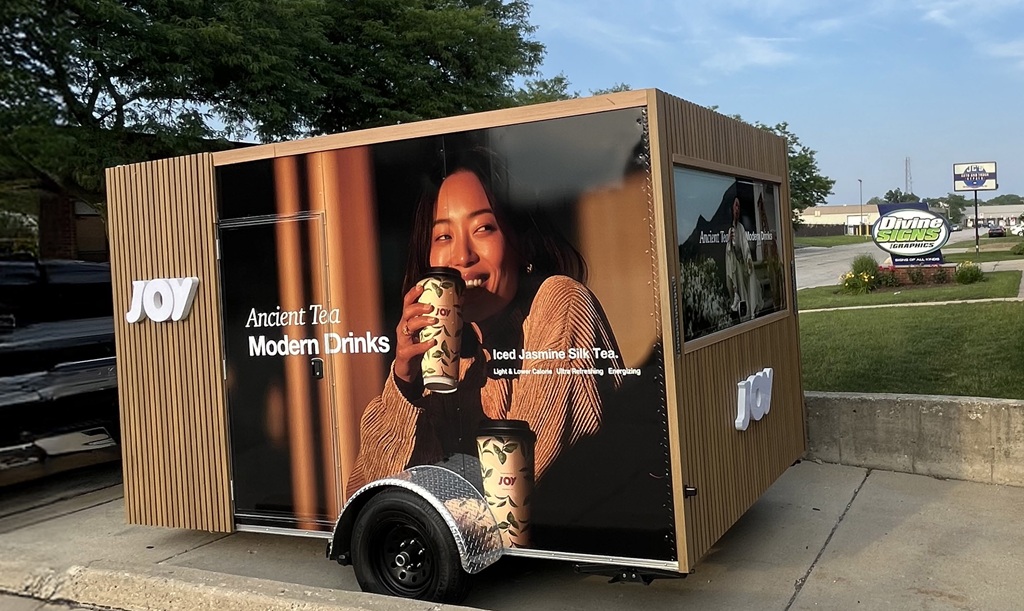
A full trailer wrap covers the entire surface of the trailer with printed vinyl, while a partial wrap covers a portion, often the sides or rear, and works with the trailer's existing color. The right choice comes down to budget, goals, and the trailer itself.
• Full wraps deliver maximum visual impact. Complete coverage gives your designer a blank canvas for bold graphics, large imagery, and edge-to-edge branding. They cost more, but they're the strongest option when the trailer is a central part of your marketing.
• Partial wraps cost less while still delivering strong visibility. If your trailer is already a solid brand color, white, black, or something close to your palette, a partial wrap can integrate with it and look nearly as seamless as full coverage.
• Spot graphics and vinyl lettering are the budget-friendly end of the spectrum. For some businesses, a large logo, phone number, and website in crisp cut vinyl is all it takes to look professional and stay top of mind. This is a smart starting point for newer companies that plan to upgrade to a full wrap later.
A good sign company will walk you through all three options and recommend the one that fits your goals rather than pushing the most expensive package.
What Should Be Included on a Trailer Wrap?
An effective trailer wrap answers three questions at a glance: who you are, what you do, and how to reach you. Every design should include:
• Your business name and logo, sized to be readable from a distance
• A phone number and website
• Your key services or specialties (three or four at most)
• Your service area or city names, which also helps reinforce local recognition
• Strong visuals and consistent brand colors
• A QR code or social media handles, if they fit your customer base
What you leave off matters just as much. A trailer wrap isn't a brochure. Long paragraphs, complete service menus, and small print get lost at 45 miles per hour. Prioritize the essentials and let the design breathe.
How Long Do Trailer Wraps Last?
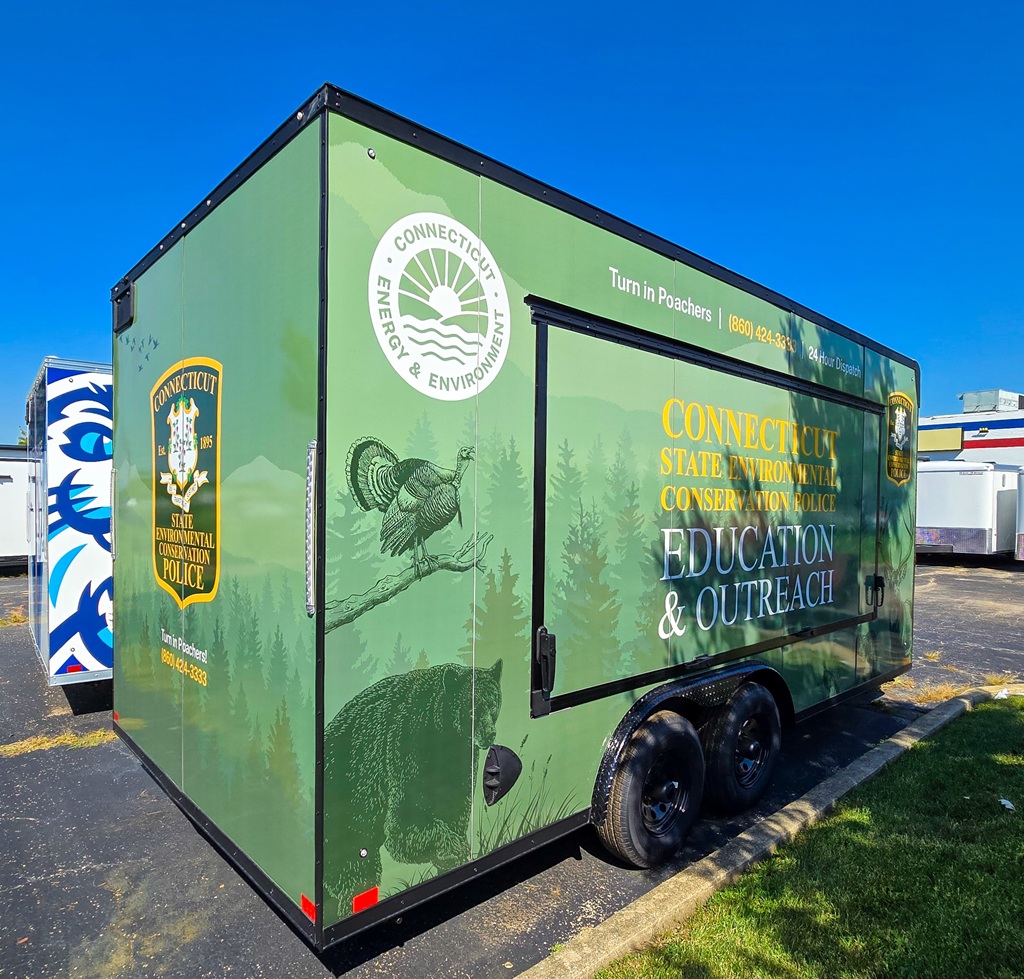
A professionally installed trailer wrap typically lasts 5 to 7 years, depending on the quality of the vinyl, how the trailer is stored, and how well the wrap is maintained.
Several factors influence lifespan:
• Material quality: Premium cast vinyl from manufacturers like 3M and Avery Dennison holds color and adhesion far longer than economy films.
• Installation quality: Poorly applied wraps develop bubbles, lifting edges, and peeling seams that shorten their life considerably.
• Sun exposure: UV rays are the biggest enemy of vinyl. A trailer stored indoors or under cover will outlast one parked in direct sun year-round.
• Weather and climate: Chicago-area trailers deal with hot summers, freezing winters, and road salt. Quality materials and occasional hand washing help the wrap shrug off all three.
With good materials, professional installation, and basic care, your wrap should look sharp for the better part of a decade.
How Much Does a Trailer Wrap Cost?
Trailer wrap pricing varies widely because no two projects are identical. The main factors that determine your quote are:
• Trailer size: A 6-foot utility trailer and a 24-foot enclosed car hauler are very different jobs in both material and labor.
• Full vs. partial coverage: Full wraps use more vinyl and take longer to install.
• Design complexity: Custom photography, detailed graphics, and multi-panel designs require more design and production time than simple layouts.
• Surface condition: Dents, rust, rivets, corrugated panels, and old adhesive residue all add prep work.
• Installation labor: Complex curves, seams, and hardware take skilled installers more time.
One word of caution: the cheapest quote is rarely the best value. Budget wraps often use lower-grade vinyl that fades within a year or two, and rushed installations lead to peeling edges and bubbling that make your business look worse, not better. When you factor in the cost of removing and replacing a failed wrap, paying for quality the first time is almost always the less expensive path.
Trailer Wrap Design Tips for Maximum Visibility
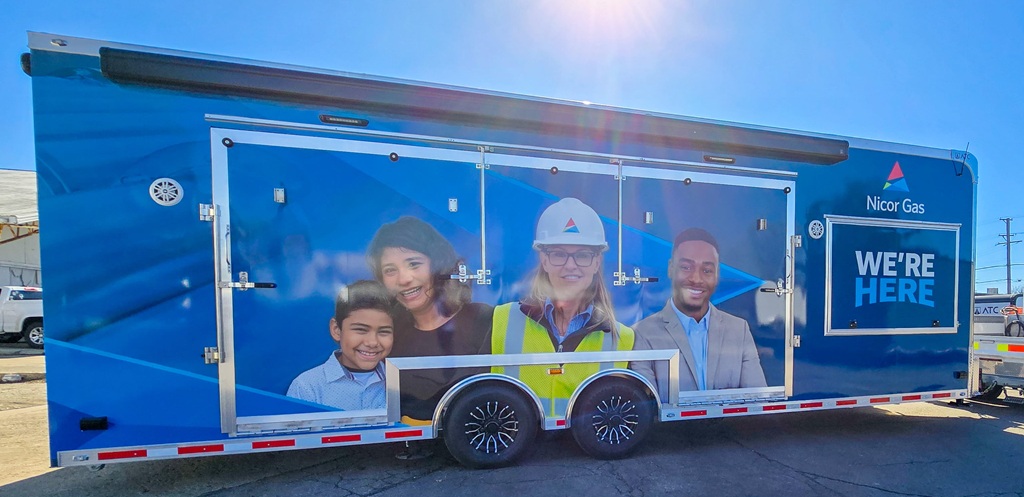
The best trailer wraps are designed for the road, not the design studio. A layout that looks great on a computer screen can disappear entirely at highway speed. Keep these principles in mind:
• Keep the message simple: Drivers have three to five seconds to absorb your wrap. Name, service, phone number, that's the core.
• Use high-contrast colors: Dark text on a light background (or the reverse) stays readable in sun, shade, and rain.
• Design for distance: Your business name should be legible from at least 100 feet away. If you have to squint at the proof, go bigger.
• Avoid clutter: Empty space isn't wasted space. It's what makes the important elements stand out.
• Make contact info instantly findable: Your phone number and website should be large, high on the trailer, and never buried in a busy background.
An experienced designer who works on vehicle and trailer graphics every day will already know these rules and know how to bend them for a design that's both bold and readable.
Do Trailer Wraps Damage the Trailer?
When professionally installed and properly removed, vinyl wraps do not damage factory paint. In fact, the opposite is usually true, the wrap acts as a protective layer that shields the finish from UV fading, minor scratches, and road debris. Many business owners find the paint underneath looks better than the exposed surfaces when the wrap comes off years later.
The caveat is in the details. Wraps applied over failing paint, rust, or poorly prepped surfaces can pull up loose material during removal. And DIY removal with the wrong tools or techniques can leave adhesive residue or scratches. Professional installation and professional removal protect your trailer at both ends of the wrap's life.
How Long Does It Take to Wrap a Trailer?
From first conversation to finished trailer, most wrap projects take a few weeks. Here's how the timeline breaks down:
• Design: Usually one to two weeks, depending on how quickly proofs are reviewed and approved. Accurate measurements and templates happen at this stage too.
• Printing and production: A few days once the design is finalized. Printed vinyl also needs time to outgas before installation.
• Installation: One to several days depending on trailer size, coverage, and surface complexity.
If you're planning a wrap before your busy season such as spring for landscapers, summer for moving companies, or fall for event businesses, schedule early. Wrap shops book up, and starting the design process a month or two ahead means your trailer is ready when the work picks up.
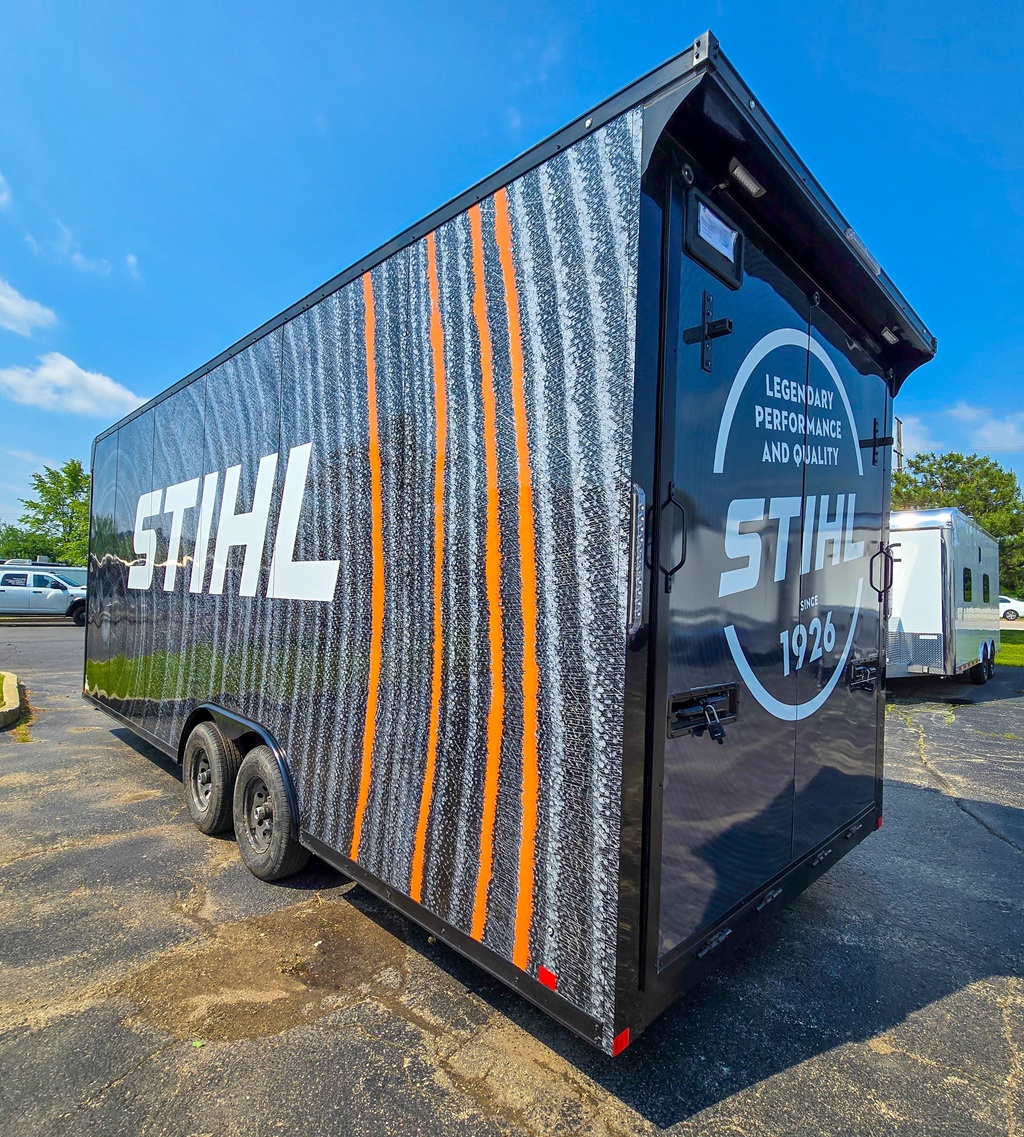
Why Work with a Professional Trailer Wrap Company?
Trailer wraps look simple until you've watched one go wrong. Working with an experienced sign and graphics company gets you:
• Accurate measurements and templates, so the design fits your specific trailer instead of a generic outline.
• Design strategy, not just design, layouts built for readability, brand impact, and lead generation.
• Professional installation by trained installers who handle seams, rivets, and corrugations cleanly.
• Long-lasting materials backed by manufacturer warranties.
• Better return on your investment, with fewer peeling edges, reprints, and headaches down the road.
A wrap is a five-plus-year commitment riding around with your name on it. It's worth getting right.
Get Custom Trailer Wraps in Schaumburg, IL with Divine Signs
Ready to turn your trailer into your hardest-working advertisement? Divine Signs and Graphics designs, prints, and installs custom trailer wraps, vehicle wraps, and fleet wraps for businesses in Schaumburg and throughout the Chicago suburbs, from simple vinyl lettering to complete full-color wraps. Our team handles everything in-house including measurements, design, production, and installation, so your trailer comes out looking sharp and stays that way for years.
Whether you're wrapping a single enclosed trailer or branding an entire fleet, we'll help you choose the right coverage, materials, and design for your budget and goals. Call Divine Signs at (847) 534-9220 or request a free estimate online to get started on your custom trailer wrap today.
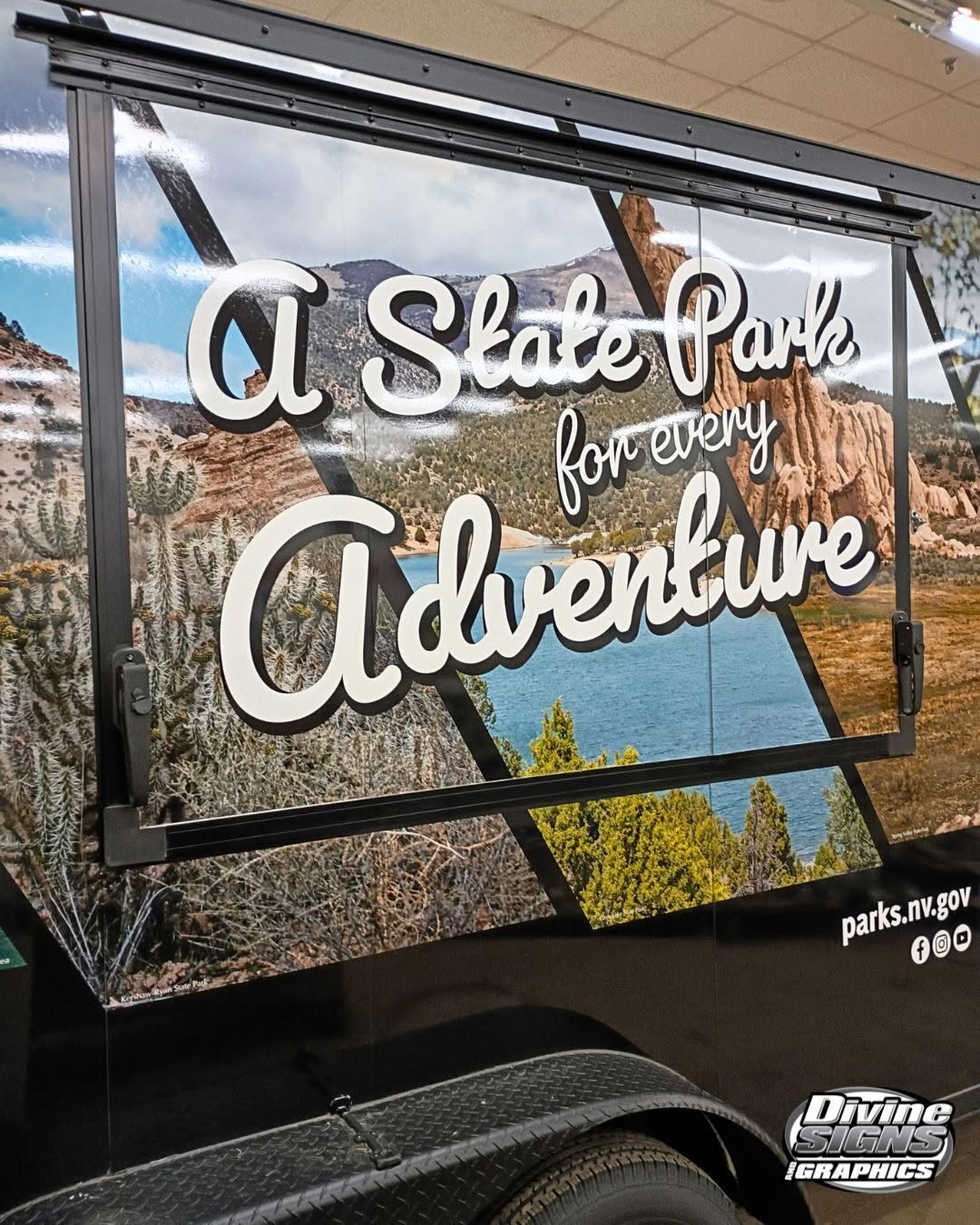
Frequently Asked Questions About Trailer Wraps
How much does it cost to wrap a trailer?
Trailer wrap pricing depends on the size of the trailer, whether you choose a full or partial wrap, the complexity of the design, and the condition of the trailer surface. A professional sign company can provide an accurate quote based on your specific trailer and branding goals.
Is it worth wrapping a trailer for advertising?
Yes. Trailer wraps turn your trailer into a mobile billboard that promotes your business wherever it goes. For contractors, service businesses, and companies that regularly travel throughout Schaumburg and the Chicago suburbs, trailer wraps can provide long-term advertising value and local brand exposure.
How long do trailer wraps last?
A professionally installed trailer wrap can typically last 5 to 7 years, depending on the quality of the vinyl, exposure to the elements, maintenance, and storage conditions. Regular cleaning and proper care can help extend the life of the wrap.
Can you wrap an enclosed trailer?
Yes. Enclosed trailers are one of the most common types of trailers wrapped for business advertising. They offer large, flat surfaces that are ideal for logos, service information, and eye-catching graphics.
What is better: a full trailer wrap or partial wrap?
A full trailer wrap provides maximum visual impact and branding coverage, while a partial wrap can be a more budget-friendly option that still delivers strong visibility. The best choice depends on your marketing goals, budget, and the size of your trailer.
Do trailer wraps damage the trailer's paint?
No, when professionally installed and removed correctly, trailer wraps generally do not damage factory paint. In many cases, the wrap can even help protect the trailer's finish from sun exposure and minor wear.
How long does it take to wrap a trailer?
The timeline depends on the design process, print production, and installation. Once the design is approved, the actual wrap installation may take one to several days depending on the size of the trailer and the complexity of the wrap.
What businesses should use trailer wraps?
Trailer wraps are especially useful for landscapers, contractors, moving companies, HVAC companies, roofers, caterers, event companies, and any business that uses enclosed trailers for work or transportation.
Let Us Get Started with your next big idea...

